Specifications
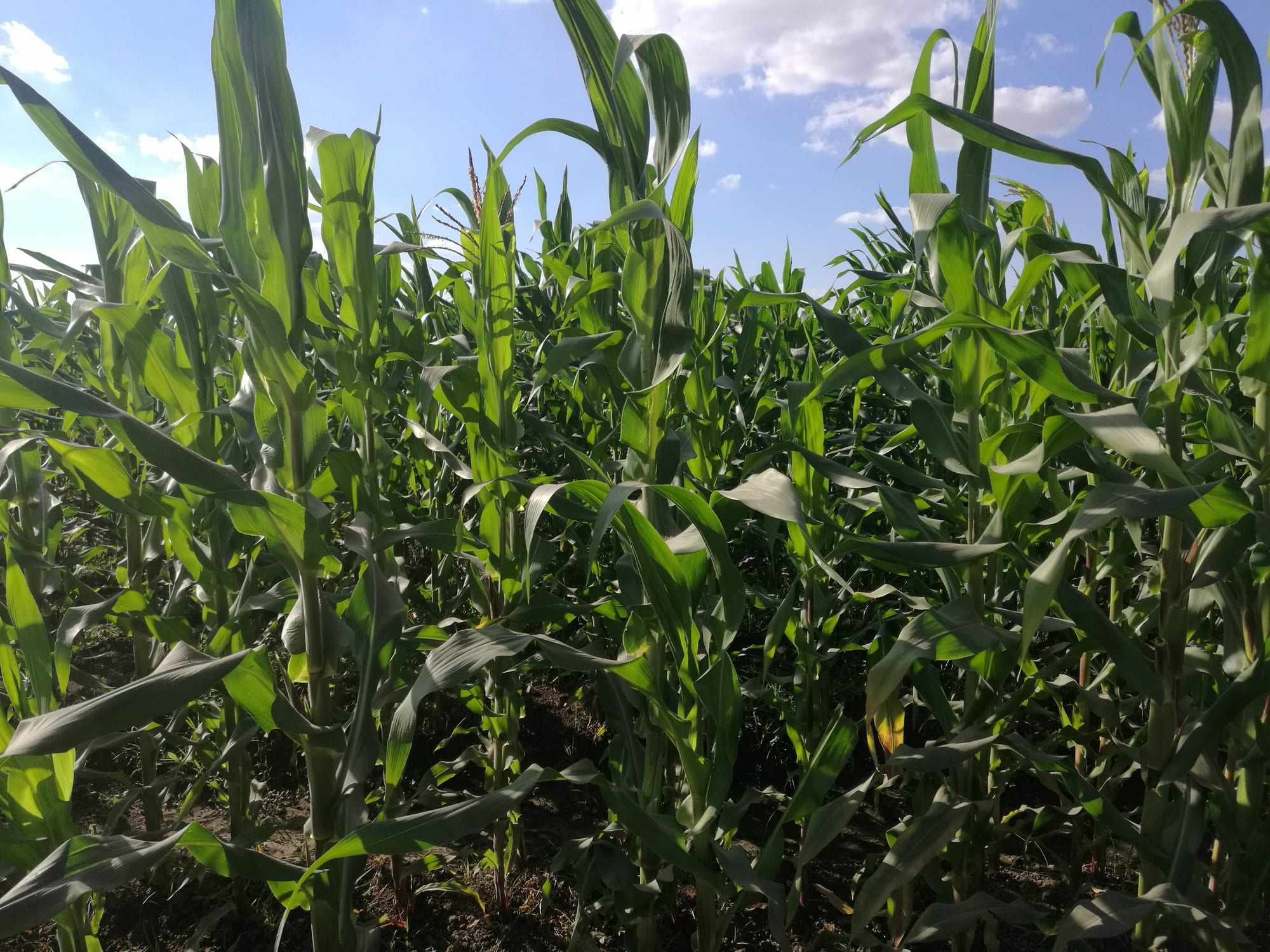
Maize in tassel,
What a buyer checks before a sample, per product: the trade's reference values the lots will be tested against, the EU limits that bite, what EU controls have found in the product from Egypt, the harvest window and the packaging the trade uses. Every value names its source and the date it was read. These are the trade's values, not Desert Bounty's: the company's own specification per product and grade follows the first lots analysed, and a specification sheet is issued per lot.
German chamomile
EU product code 0631010, chamomile flowers for herbal infusions: the pesticide levels apply to the dried flowers as such, without a drying factor. (THIE allocation list: herbal infusion plants by EU MRL product category, read on 6 October 2026)
Trade reference values
| Parameter | Value | Basis | Source |
|---|---|---|---|
| Acid-insoluble ash | ≤ 2.5 % d.m. | Infusion raw material, flowers | Compendium of Guidelines for Herbal and Fruit Infusions (read on 6 October 2026) |
| Loss on drying | ≤ 13 % | Infusion raw material, flowers | Compendium of Guidelines for Herbal and Fruit Infusions (read on 6 October 2026) |
| Essential oil | ≥ 0.2 % d.m. | Infusion raw material, flowers | Compendium of Guidelines for Herbal and Fruit Infusions (read on 6 October 2026) |
| Salmonella | absent in 125 g | Infusion raw materials, dry | THIE recommended microbiological specifications for herbal infusions (read on 6 October 2026) |
| E. coli | ≤ 10,000 per g | Infusion raw materials, dry | THIE recommended microbiological specifications for herbal infusions (read on 6 October 2026) |
| Moulds; yeasts | ≤ 1,000,000 per g each | Infusion raw materials, dry | THIE recommended microbiological specifications for herbal infusions (read on 6 October 2026) |
EU limits that bite
| Substance or hazard | Level | Applies to | Source |
|---|---|---|---|
| Pyrrolizidine alkaloids, sum | 400 µg/kg | Chamomile as a herbal infusion ingredient (entry 2.4.8) | Commission Regulation (EU) 2023/915 on maximum levels for certain contaminants in food (read on 6 October 2026) |
| Tropane alkaloids, atropine and scopolamine | 25 µg/kg each | Herbal infusion ingredients, dried (entry 2.2.7) | Commission Regulation (EU) 2023/915 on maximum levels for certain contaminants in food (read on 6 October 2026) |
| Ethylene oxide, sum with 2-chloroethanol | 0.1 mg/kg* | Code 0631010 | EU Pesticides Database: maximum residue levels (read on 6 October 2026) |
| Chlorpyrifos; chlorpyrifos-methyl | 0.01 mg/kg* | Code 0631010 | EU Pesticides Database: maximum residue levels (read on 6 October 2026) |
| Every other pesticide | the MRL of code 0631010, or 0.01 mg/kg where none is set | Regulation (EC) No 396/2005, Article 18 | Regulation (EC) No 396/2005 on maximum residue levels of pesticides in or on food and feed of plant and animal origin (read on 6 October 2026) |
What EU controls found in this product from Egypt
9 notifications, 2020 to 2026; hazards named most often: chlorpyrifos (5), ethylene oxide (including 2-chloroethanol) (2), thiophanate-methyl (1). Counts per year and basis on the Compliance page
Ethylene oxide was found by the importer's own check in two Egyptian chamomile lots packed in sacks; each of our lot reports will cover ethylene oxide with 2-chloroethanol.
Harvest window and trade season
Packaging and transport in the trade
Sacks or bags of about 10 to 15 kg in the bulk trade; one lot in the EU notifications was 1,147 bags of 15 kg. Retail packs of 50 g to 1 kg are packed in the EU. Dry container at ambient temperature. (RASFF Window: notifications of the EU Rapid Alert System for Food and Feed, read on 16 October 2026)
Desert Bounty's own values for this product and grade follow the first lots analysed; a specification sheet is issued per lot.
Calendula From the 2027/28 season
EU product code 0256080-021, marigold flowers under basil and edible flowers: the pesticide levels refer to the fresh flowers; for the dried product the drying factor of Article 20 applies. As a herbal infusion ingredient the contaminant entries for infusions apply. (THIE allocation list: herbal infusion plants by EU MRL product category, read on 6 October 2026)
Trade reference values
| Parameter | Value | Basis | Source |
|---|---|---|---|
| Description | dried flower heads of Calendula officinalis L. with golden-yellow ligulate florets, tubular florets and a green involucre; faint typical smell, slightly bitter and salty taste | Infusion raw material, marigold flowers | Compendium of Guidelines for Herbal and Fruit Infusions (read on 6 October 2026) |
| Salmonella | absent in 125 g | Infusion raw materials, dry | THIE recommended microbiological specifications for herbal infusions (read on 6 October 2026) |
| E. coli | ≤ 10,000 per g | Infusion raw materials, dry | THIE recommended microbiological specifications for herbal infusions (read on 6 October 2026) |
EU limits that bite
| Substance or hazard | Level | Applies to | Source |
|---|---|---|---|
| Pyrrolizidine alkaloids, sum | 200 µg/kg | Herbal infusion ingredients, dried, not in the 400 µg/kg list (entry 2.4.7) | Commission Regulation (EU) 2023/915 on maximum levels for certain contaminants in food (read on 6 October 2026) |
| Tropane alkaloids, atropine and scopolamine | 25 µg/kg each | Herbal infusion ingredients, dried (entry 2.2.7) | Commission Regulation (EU) 2023/915 on maximum levels for certain contaminants in food (read on 6 October 2026) |
| Ethylene oxide, sum with 2-chloroethanol | 0.05 mg/kg* | Code 0256080, fresh basis | EU Pesticides Database: maximum residue levels (read on 6 October 2026) |
| Chlorpyrifos; chlorpyrifos-methyl | 0.01 mg/kg* | Code 0256080 | EU Pesticides Database: maximum residue levels (read on 6 October 2026) |
What EU controls found in this product from Egypt
No notification for this product in the period. Counts per year and basis on the Compliance page
Harvest window and trade season
Desert Bounty's own values for this product and grade follow the first lots analysed; a specification sheet is issued per lot.
Fennel seed
EU product code 0810070, fennel seed as a seed spice: the pesticide levels apply to the dried seed as such. Sold for infusions, the contaminant entries for herbal infusion ingredients apply as well. (THIE allocation list: herbal infusion plants by EU MRL product category, read on 6 October 2026)
Trade reference values
| Parameter | Value | Basis | Source |
|---|---|---|---|
| Total ash | ≤ 10 % d.m. | Spice, whole | ESA Quality Minima Document (read on 6 October 2026) |
| Acid-insoluble ash | ≤ 2.0 % d.m. | Spice, whole | ESA Quality Minima Document (read on 6 October 2026) |
| Moisture | ≤ 12 % | Spice, whole | ESA Quality Minima Document (read on 6 October 2026) |
| Volatile oil | ≥ 1.5 ml/100 g | Spice, whole | ESA Quality Minima Document (read on 6 October 2026) |
| Acid-insoluble ash; loss on drying; essential oil | ≤ 2.5 % d.m.; ≤ 12 %; ≥ 1.0 % d.m. | Infusion raw material, fennel fruits | Compendium of Guidelines for Herbal and Fruit Infusions (read on 6 October 2026) |
| Salmonella | absent in 125 g | Infusion raw materials, dry | THIE recommended microbiological specifications for herbal infusions (read on 6 October 2026) |
EU limits that bite
| Substance or hazard | Level | Applies to | Source |
|---|---|---|---|
| Pyrrolizidine alkaloids, sum | 200 µg/kg as an infusion ingredient; no level as a spice | Entry 2.4.7; spices other than cumin carry no entry | Commission Regulation (EU) 2023/915 on maximum levels for certain contaminants in food (read on 6 October 2026) |
| Tropane alkaloids, atropine and scopolamine | 25 µg/kg each | Herbal infusion ingredients, dried (entry 2.2.7) | Commission Regulation (EU) 2023/915 on maximum levels for certain contaminants in food (read on 6 October 2026) |
| Ethylene oxide, sum with 2-chloroethanol | 0.1 mg/kg* | Code 0810070 | EU Pesticides Database: maximum residue levels (read on 6 October 2026) |
| Chlorpyrifos; chlorpyrifos-methyl | 0.01 mg/kg* | Code 0810070 | EU Pesticides Database: maximum residue levels (read on 6 October 2026) |
What EU controls found in this product from Egypt
6 notifications, 2020 to 2026; hazards named most often: chlorpyrifos (5). Counts per year and basis on the Compliance page
Harvest window and trade season
Packaging and transport in the trade
Bags or sacks of 25 kg, for whole seed and for powder, labelled with lot, production and expiry dates; dry container at ambient temperature. (RASFF Window: notifications of the EU Rapid Alert System for Food and Feed, read on 16 October 2026)
Desert Bounty's own values for this product and grade follow the first lots analysed; a specification sheet is issued per lot.
Anise seed
EU product code 0810010, anise as a seed spice: the pesticide levels apply to the dried seed as such. Sold for infusions, the contaminant entries for herbal infusion ingredients apply as well. (EU Pesticides Database: maximum residue levels, read on 6 October 2026)
Trade reference values
| Parameter | Value | Basis | Source |
|---|---|---|---|
| Total ash | ≤ 9.0 % d.m. | Spice, whole | ESA Quality Minima Document (read on 6 October 2026) |
| Acid-insoluble ash | ≤ 2.5 % d.m. | Spice, whole | ESA Quality Minima Document (read on 6 October 2026) |
| Moisture | ≤ 12 % | Spice, whole | ESA Quality Minima Document (read on 6 October 2026) |
| Volatile oil | ≥ 1.0 ml/100 g | Spice, whole | ESA Quality Minima Document (read on 6 October 2026) |
| Extraneous matter | ≤ 1 % by weight | Spices, general purity clause | ESA Quality Minima Document (read on 6 October 2026) |
| Salmonella | absent in 125 g | Infusion raw materials, dry | THIE recommended microbiological specifications for herbal infusions (read on 6 October 2026) |
EU limits that bite
| Substance or hazard | Level | Applies to | Source |
|---|---|---|---|
| Pyrrolizidine alkaloids, sum | 400 µg/kg as an anise infusion ingredient; no level as a spice | Entry 2.4.8; spices other than cumin carry no entry | Commission Regulation (EU) 2023/915 on maximum levels for certain contaminants in food (read on 6 October 2026) |
| Tropane alkaloids, atropine and scopolamine | 50 µg/kg each as an infusion of anise seed alone | Herbal infusions from anise seeds, dried (section 2.2); 25 µg/kg in other herbal infusions | Commission Regulation (EU) 2023/915 on maximum levels for certain contaminants in food (read on 6 October 2026) |
| Ethylene oxide, sum with 2-chloroethanol | 0.1 mg/kg* | Code 0810010 | EU Pesticides Database: maximum residue levels (read on 6 October 2026) |
| Chlorpyrifos; chlorpyrifos-methyl | 0.01 mg/kg* | Code 0810010 | EU Pesticides Database: maximum residue levels (read on 6 October 2026) |
| Lead | 0.90 mg/kg | Seed spices (entry 3.1.26) | Commission Regulation (EU) 2023/915 on maximum levels for certain contaminants in food (read on 6 October 2026) |
| Ochratoxin A | 15 µg/kg | Dried spices (entry 1.2.17) | Commission Regulation (EU) 2023/915 on maximum levels for certain contaminants in food (read on 6 October 2026) |
What EU controls found in this product from Egypt
1 notifications, 2020 to 2026; hazards named most often: pyrrolizidine alkaloids (1). Counts per year and basis on the Compliance page
Harvest window and trade season
Desert Bounty's own values for this product and grade follow the first lots analysed; a specification sheet is issued per lot.
Caraway seed
EU product code 0820030, caraway as a fruit spice, not a seed spice: the pesticide levels apply to the dried fruit as such, and the lead level is the fruit-spice level. (EU Pesticides Database: maximum residue levels, read on 6 October 2026)
Trade reference values
| Parameter | Value | Basis | Source |
|---|---|---|---|
| Total ash | ≤ 8.0 % d.m. | Spice, whole | ESA Quality Minima Document (read on 6 October 2026) |
| Acid-insoluble ash | ≤ 1.5 % d.m. | Spice, whole | ESA Quality Minima Document (read on 6 October 2026) |
| Moisture | ≤ 13 % | Spice, whole | ESA Quality Minima Document (read on 6 October 2026) |
| Volatile oil | ≥ 2.5 ml/100 g | Spice, whole | ESA Quality Minima Document (read on 6 October 2026) |
| Extraneous matter | ≤ 1 % by weight | Spices, general purity clause | ESA Quality Minima Document (read on 6 October 2026) |
| Salmonella | absent in 125 g | Infusion raw materials, dry | THIE recommended microbiological specifications for herbal infusions (read on 6 October 2026) |
EU limits that bite
| Substance or hazard | Level | Applies to | Source |
|---|---|---|---|
| Ethylene oxide, sum with 2-chloroethanol | 0.1 mg/kg* | Code 0820030 | EU Pesticides Database: maximum residue levels (read on 6 October 2026) |
| Chlorpyrifos; chlorpyrifos-methyl | 0.01 mg/kg* | Code 0820030 | EU Pesticides Database: maximum residue levels (read on 6 October 2026) |
| Lead | 0.60 mg/kg | Fruit spices (entry 3.1.26) | Commission Regulation (EU) 2023/915 on maximum levels for certain contaminants in food (read on 6 October 2026) |
| Ochratoxin A | 15 µg/kg | Dried spices (entry 1.2.17) | Commission Regulation (EU) 2023/915 on maximum levels for certain contaminants in food (read on 6 October 2026) |
What EU controls found in this product from Egypt
No notification for this product in the period. Counts per year and basis on the Compliance page
Harvest window and trade season
Desert Bounty's own values for this product and grade follow the first lots analysed; a specification sheet is issued per lot.
Black seed (nigella)
EU product code 0810020, black caraway and black cumin, under which Nigella sativa is listed: the pesticide levels apply to the dried seed as such. Classified as an oilseed for customs, the aflatoxin levels for oilseeds would apply; the classification is settled before the first offer. (EU Pesticides Database: maximum residue levels, read on 6 October 2026)
Trade reference values
| Parameter | Value | Basis | Source |
|---|---|---|---|
| European trade minimum | none published; the buyer's specification applies | No ESA row for nigella | ESA Quality Minima Document (read on 6 October 2026) |
| Extraneous matter | ≤ 1 % by weight | Spices, general purity clause | ESA Quality Minima Document (read on 6 October 2026) |
| Moisture; purity | ≤ 10 %; ≥ 99 % | Usual trade terms, agreed per contract | |
| Salmonella | absent in 25 g | Buyers' usual clause for seeds, agreed per contract |
EU limits that bite
| Substance or hazard | Level | Applies to | Source |
|---|---|---|---|
| Ethylene oxide, sum with 2-chloroethanol | 0.1 mg/kg* | Code 0810020 | EU Pesticides Database: maximum residue levels (read on 6 October 2026) |
| Chlorpyrifos; chlorpyrifos-methyl | 0.01 mg/kg* | Code 0810020 | EU Pesticides Database: maximum residue levels (read on 6 October 2026) |
| Aflatoxin B1; sum of aflatoxins | 2.0; 4.0 µg/kg | Only if classified as an oilseed for direct consumption (entry 1.1.5); seed spices carry no aflatoxin entry | Commission Regulation (EU) 2023/915 on maximum levels for certain contaminants in food (read on 6 October 2026) |
| Lead | 0.90 mg/kg | Seed spices (entry 3.1.26) | Commission Regulation (EU) 2023/915 on maximum levels for certain contaminants in food (read on 6 October 2026) |
| Ochratoxin A | 15 µg/kg | Dried spices (entry 1.2.17), if classified as a spice | Commission Regulation (EU) 2023/915 on maximum levels for certain contaminants in food (read on 6 October 2026) |
What EU controls found in this product from Egypt
No notification for this product in the period. Counts per year and basis on the Compliance page
Harvest window and trade season
Desert Bounty's own values for this product and grade follow the first lots analysed; a specification sheet is issued per lot.
Sweet marjoram
EU product code 0256070-005, marjoram under the thyme group: the pesticide levels refer to the fresh herb; for the dried product the ESA dehydration factor applies under Article 20. (THIE allocation list: herbal infusion plants by EU MRL product category, read on 6 October 2026)
Trade reference values
| Parameter | Value | Basis | Source |
|---|---|---|---|
| Total ash | ≤ 10 % d.m. | Whole product | ESA Quality Minima Document (read on 6 October 2026) |
| Acid-insoluble ash | ≤ 2.0 % d.m. | Whole product | ESA Quality Minima Document (read on 6 October 2026) |
| Moisture | ≤ 12 % | Whole product | ESA Quality Minima Document (read on 6 October 2026) |
| Volatile oil | ≥ 0.7 ml/100 g | Whole product | ESA Quality Minima Document (read on 6 October 2026) |
| Salmonella | absent | Spices and herbs, EU practice: no specific EU criterion, absence expected | CBI: Entering the European market for dried thyme (read on 12 October 2026) |
EU limits that bite
| Substance or hazard | Level | Applies to | Source |
|---|---|---|---|
| Pyrrolizidine alkaloids, sum | 1,000 µg/kg | Marjoram, dried (entry 2.4.3) | Commission Regulation (EU) 2023/915 on maximum levels for certain contaminants in food (read on 6 October 2026) |
| Ethylene oxide, sum with 2-chloroethanol | 0.05 mg/kg* | Code 0256070, fresh basis | EU Pesticides Database: maximum residue levels (read on 6 October 2026) |
| Chlorpyrifos; chlorpyrifos-methyl | 0.01 mg/kg* | Code 0256070 | EU Pesticides Database: maximum residue levels (read on 6 October 2026) |
| Drying factor | fresh-herb MRL × the ESA factor | Article 20 of Regulation (EC) No 396/2005 | ESA dehydration factors (read on 6 October 2026) |
What EU controls found in this product from Egypt
18 notifications, 2020 to 2026; hazards named most often: pyrrolizidine alkaloids (6), Salmonella (4), chlorpyrifos (3). Counts per year and basis on the Compliance page
Ground Egyptian marjoram in a 20 kg bag failed for ethylene oxide at the importer's own check; each of our lot reports will cover ethylene oxide with 2-chloroethanol, pyrrolizidine alkaloids and Salmonella.
Harvest window and trade season
Packaging and transport in the trade
Paper or plastic sacks of 10 to 20 kg (lots of 100 × 20 kg, 200 × 10 kg and 1,016 paper bags of 10 kg in the EU notifications), also 12 kg sacks and cartons; repacked in the EU into retail packs of 13 g to 1 kg. (RASFF Window: notifications of the EU Rapid Alert System for Food and Feed, read on 16 October 2026)
Desert Bounty's own values for this product and grade follow the first lots analysed; a specification sheet is issued per lot.
Sweet basil
EU product code 0256080, basil and edible flowers: the pesticide levels refer to the fresh herb; for the dried product the ESA dehydration factor applies under Article 20. (THIE allocation list: herbal infusion plants by EU MRL product category, read on 6 October 2026)
Trade reference values
| Parameter | Value | Basis | Source |
|---|---|---|---|
| Total ash | ≤ 16 % d.m. | Whole product | ESA Quality Minima Document (read on 6 October 2026) |
| Acid-insoluble ash | ≤ 2.0 % d.m. | Whole product | ESA Quality Minima Document (read on 6 October 2026) |
| Moisture | ≤ 12 % | Whole product | ESA Quality Minima Document (read on 6 October 2026) |
| Volatile oil | ≥ 0.5 ml/100 g | Whole product | ESA Quality Minima Document (read on 6 October 2026) |
| Salmonella | absent | Spices and herbs, EU practice: no specific EU criterion, absence expected | CBI: Entering the European market for dried thyme (read on 12 October 2026) |
EU limits that bite
| Substance or hazard | Level | Applies to | Source |
|---|---|---|---|
| Pyrrolizidine alkaloids, sum | 400 µg/kg | Dried herbs (entry 2.4.2) | Commission Regulation (EU) 2023/915 on maximum levels for certain contaminants in food (read on 6 October 2026) |
| Ethylene oxide, sum with 2-chloroethanol | 0.05 mg/kg* | Code 0256080, fresh basis | EU Pesticides Database: maximum residue levels (read on 6 October 2026) |
| Chlorpyrifos; chlorpyrifos-methyl | 0.01 mg/kg* | Code 0256080 | EU Pesticides Database: maximum residue levels (read on 6 October 2026) |
| Drying factor | fresh-herb MRL × the ESA factor | Article 20 of Regulation (EC) No 396/2005 | ESA dehydration factors (read on 6 October 2026) |
What EU controls found in this product from Egypt
11 notifications, 2020 to 2026; hazards named most often: Salmonella (8), chlorothalonil (1), chlorpyrifos (1). Counts per year and basis on the Compliance page
Salmonella was found in 8 of 11 Egyptian basil notifications, including a sack labelled as treated; each of our lot reports will cover Salmonella.
Harvest window and trade season
Packaging and transport in the trade
Bags or sacks of 10 to 25 kg, most often 25 kg, also 18 kg sacks and 12.5 kg paper sacks; dry container at ambient temperature. (RASFF Window: notifications of the EU Rapid Alert System for Food and Feed, read on 16 October 2026)
Desert Bounty's own values for this product and grade follow the first lots analysed; a specification sheet is issued per lot.
Mint
EU product codes 0256080-020 (peppermint) and 0256080-023 (spearmint) under basil and edible flowers: the pesticide levels refer to the fresh herb; for the dried product the ESA dehydration factor applies under Article 20. (THIE allocation list: herbal infusion plants by EU MRL product category, read on 6 October 2026)
Trade reference values
| Parameter | Value | Basis | Source |
|---|---|---|---|
| Total ash | ≤ 12 % d.m. | Spearmint, whole product | ESA Quality Minima Document (read on 6 October 2026) |
| Acid-insoluble ash | ≤ 2.5 % d.m. | Spearmint, whole product | ESA Quality Minima Document (read on 6 October 2026) |
| Moisture | ≤ 13 % | Spearmint, whole product | ESA Quality Minima Document (read on 6 October 2026) |
| Volatile oil | ≥ 0.5 ml/100 g | Spearmint, whole product | ESA Quality Minima Document (read on 6 October 2026) |
| Acid-insoluble ash; loss on drying; essential oil | ≤ 2.5 % d.m.; ≤ 13 %; ≥ 0.6 % d.m. | Infusion raw material, peppermint or spearmint leaves | Compendium of Guidelines for Herbal and Fruit Infusions (read on 6 October 2026) |
| Salmonella | absent in 125 g; no yeast specification for mint | Infusion raw materials, dry | THIE recommended microbiological specifications for herbal infusions (read on 6 October 2026) |
EU limits that bite
| Substance or hazard | Level | Applies to | Source |
|---|---|---|---|
| Pyrrolizidine alkaloids, sum | 400 µg/kg | Dried herbs (entry 2.4.2); peppermint infusions (entry 2.4.8) | Commission Regulation (EU) 2023/915 on maximum levels for certain contaminants in food (read on 6 October 2026) |
| Tropane alkaloids, atropine and scopolamine | 25 µg/kg each | Herbal infusion ingredients, dried (entry 2.2.7) | Commission Regulation (EU) 2023/915 on maximum levels for certain contaminants in food (read on 6 October 2026) |
| Ethylene oxide, sum with 2-chloroethanol | 0.05 mg/kg* | Code 0256080, fresh basis | EU Pesticides Database: maximum residue levels (read on 6 October 2026) |
| Chlorpyrifos; chlorpyrifos-methyl | 0.01 mg/kg* | Code 0256080 | EU Pesticides Database: maximum residue levels (read on 6 October 2026) |
What EU controls found in this product from Egypt
12 notifications, 2020 to 2026; hazards named most often: chlorpyrifos (7), malathion (2), profenofos (2). Counts per year and basis on the Compliance page
Salmonella appears in the EU notifications for this herb; each of our lot reports will cover Salmonella.
Harvest window and trade season
Packaging and transport in the trade
Bags of 10 to 25 kg (lots of 135 × 25 kg and 600 × 10 kg in the EU notifications, also 20 kg), labelled with crop year, lot, production and expiry dates; dry container at ambient temperature. (RASFF Window: notifications of the EU Rapid Alert System for Food and Feed, read on 16 October 2026)
Desert Bounty's own values for this product and grade follow the first lots analysed; a specification sheet is issued per lot.
Parsley
EU product code 0256040, parsley leaves: the pesticide levels refer to the fresh herb; for the dried product the ESA dehydration factor applies under Article 20. (THIE allocation list: herbal infusion plants by EU MRL product category, read on 6 October 2026)
Trade reference values
| Parameter | Value | Basis | Source |
|---|---|---|---|
| Total ash | ≤ 14 % d.m. | Whole product | ESA Quality Minima Document (read on 6 October 2026) |
| Acid-insoluble ash | ≤ 1.5 % d.m. | Whole product | ESA Quality Minima Document (read on 6 October 2026) |
| Moisture | ≤ 7.5 % | Whole product | ESA Quality Minima Document (read on 6 October 2026) |
| Volatile oil | traces | Whole product | ESA Quality Minima Document (read on 6 October 2026) |
| Salmonella | absent | Spices and herbs, EU practice: no specific EU criterion, absence expected | CBI: Entering the European market for dried thyme (read on 12 October 2026) |
EU limits that bite
| Substance or hazard | Level | Applies to | Source |
|---|---|---|---|
| Pyrrolizidine alkaloids, sum | 400 µg/kg | Dried herbs (entry 2.4.2) | Commission Regulation (EU) 2023/915 on maximum levels for certain contaminants in food (read on 6 October 2026) |
| Ethylene oxide, sum with 2-chloroethanol | 0.05 mg/kg* | Herbs and edible flowers group, fresh basis | EU Pesticides Database: maximum residue levels (read on 6 October 2026) |
| Chlorpyrifos; chlorpyrifos-methyl | 0.01 mg/kg* | Code 0256040 | EU Pesticides Database: maximum residue levels (read on 6 October 2026) |
What EU controls found in this product from Egypt
11 notifications, 2020 to 2026; hazards named most often: Salmonella (5), chlorpyrifos (2), propiconazole (2). Counts per year and basis on the Compliance page
Salmonella appears in the EU notifications for this herb; each of our lot reports will cover Salmonella.
Harvest window and trade season
Packaging and transport in the trade
Bags of 10 to 25 kg, most often 20 kg, also 15 kg; dry container at ambient temperature. (RASFF Window: notifications of the EU Rapid Alert System for Food and Feed, read on 16 October 2026)
Desert Bounty's own values for this product and grade follow the first lots analysed; a specification sheet is issued per lot.
Dill
EU product code 0256030-006, dill herb under celery leaves: the pesticide levels refer to the fresh herb; for the dried product the ESA dehydration factor applies under Article 20. (THIE allocation list: herbal infusion plants by EU MRL product category, read on 6 October 2026)
Trade reference values
| Parameter | Value | Basis | Source |
|---|---|---|---|
| Total ash | ≤ 15 % d.m. | Dill tops, whole product | ESA Quality Minima Document (read on 6 October 2026) |
| Acid-insoluble ash | ≤ 2.0 % d.m. | Dill tops, whole product | ESA Quality Minima Document (read on 6 October 2026) |
| Moisture | ≤ 8.0 % | Dill tops, whole product | ESA Quality Minima Document (read on 6 October 2026) |
| Volatile oil | traces | Dill tops, whole product | ESA Quality Minima Document (read on 6 October 2026) |
| Salmonella | absent | Spices and herbs, EU practice: no specific EU criterion, absence expected | CBI: Entering the European market for dried thyme (read on 12 October 2026) |
EU limits that bite
| Substance or hazard | Level | Applies to | Source |
|---|---|---|---|
| Pyrrolizidine alkaloids, sum | 400 µg/kg | Dried herbs (entry 2.4.2) | Commission Regulation (EU) 2023/915 on maximum levels for certain contaminants in food (read on 6 October 2026) |
| Ethylene oxide, sum with 2-chloroethanol | 0.05 mg/kg* | Herbs and edible flowers group, fresh basis | EU Pesticides Database: maximum residue levels (read on 6 October 2026) |
| Chlorpyrifos; chlorpyrifos-methyl | 0.01 mg/kg* | Code 0256030 | EU Pesticides Database: maximum residue levels (read on 6 October 2026) |
What EU controls found in this product from Egypt
7 notifications, 2020 to 2026; hazards named most often: chlorpyrifos (4), Salmonella (2), carbendazim (2). Counts per year and basis on the Compliance page
Salmonella appears in the EU notifications for this herb; each of our lot reports will cover Salmonella.
Harvest window and trade season
Packaging and transport in the trade
Bags of 20 kg with the lot number on the bag label; repacked in the EU into 1 kg film bags and smaller retail packs. (RASFF Window: notifications of the EU Rapid Alert System for Food and Feed, read on 16 October 2026)
Desert Bounty's own values for this product and grade follow the first lots analysed; a specification sheet is issued per lot.
Thyme
EU product code 0256070, thyme: the pesticide levels refer to the fresh herb; for dried thyme the dehydration factor is 7 under Article 20. (CBI: Entering the European market for dried thyme, read on 12 October 2026)
Trade reference values
| Parameter | Value | Basis | Source |
|---|---|---|---|
| Total ash | ≤ 12 % d.m. | Whole product; also the Codex standard | ESA Quality Minima Document (read on 6 October 2026) |
| Acid-insoluble ash | ≤ 3.5 % d.m.; clean thyme below 1 to 2 % | Whole product; buyers' practice | CBI: Entering the European market for dried thyme (read on 12 October 2026) |
| Moisture | ≤ 12 % | Whole product; also the Codex standard | ESA Quality Minima Document (read on 6 October 2026) |
| Volatile oil | ≥ 1.0 ml/100 g | Whole product; also the Codex standard | ESA Quality Minima Document (read on 6 October 2026) |
| Extraneous vegetable matter; foreign matter | ≤ 0.5 % each | Codex defect tolerances | Codex Standard for Dried Thyme (CXS 328-2017) (read on 12 October 2026) |
| Visible mould; insect-damaged leaves; insect fragments and rodent contamination | ≤ 1.0 % each; live insects 0; mammalian excreta ≤ 1 mg/kg | Codex defect tolerances | Codex Standard for Dried Thyme (CXS 328-2017) (read on 12 October 2026) |
| Salmonella | absent | Spices and herbs, EU practice: no specific EU criterion, absence expected | CBI: Entering the European market for dried thyme (read on 12 October 2026) |
EU limits that bite
| Substance or hazard | Level | Applies to | Source |
|---|---|---|---|
| Pyrrolizidine alkaloids, sum | 400 µg/kg | Dried herbs (entry 2.4.2); thyme infusions (entry 2.4.8) | Commission Regulation (EU) 2023/915 on maximum levels for certain contaminants in food (read on 6 October 2026) |
| Ethylene oxide, sum with 2-chloroethanol | 0.05 mg/kg* | Code 0256070, fresh basis | EU Pesticides Database: maximum residue levels (read on 6 October 2026) |
| Chlorpyrifos; chlorpyrifos-methyl | 0.01 mg/kg* | Code 0256070 | EU Pesticides Database: maximum residue levels (read on 6 October 2026) |
| Drying factor | 7 | Fresh-thyme MRL × 7 for dried thyme, Article 20 | CBI: Entering the European market for dried thyme (read on 12 October 2026) |
What EU controls found in this product from Egypt
5 notifications, 2020 to 2026; hazards named most often: Salmonella (3), chlorpyrifos (1), ethylene oxide (including 2-chloroethanol) (1). Counts per year and basis on the Compliance page
One Egyptian thyme lot in 15 kg bags failed for 2-chloroethanol; each of our lot reports will cover ethylene oxide with 2-chloroethanol and Salmonella.
Harvest window and trade season
Packaging and transport in the trade
Bulk bags of 10 to 15 kg for the food industry; pallet sizes 800 × 1,200 mm and 1,000 × 1,200 mm; dry container at ambient temperature. (CBI: Entering the European market for dried thyme, read on 12 October 2026)
Desert Bounty's own values for this product and grade follow the first lots analysed; a specification sheet is issued per lot.
Groundnuts in shell
EU product code 0401020, peanuts or groundnuts. The aflatoxin levels apply to the edible part; for in-shell lots the contamination is assumed to sit on the kernels. Egypt is in Annex II of Regulation (EU) 2019/1793: each consignment needs the official Egyptian document with the laboratory results, and 30 % of consignments get identity and physical checks. (Commission Implementing Regulation (EU) 2019/1793 on the temporary increase of official controls and emergency measures governing the entry into the Union of certain goods from certain third countries, read on 6 October 2026)
Trade reference values
| Parameter | Value | Basis | Source |
|---|---|---|---|
| Moisture | ≤ 10 % in pod; ≤ 9 % kernels | Codex standard for peanuts | Codex Standard for Peanuts (CXS 200-1995) (read on 12 October 2026) |
| Mouldy, rancid or decayed kernels | ≤ 0.2 % | Codex standard for peanuts | Codex Standard for Peanuts (CXS 200-1995) (read on 12 October 2026) |
| Filth; other extraneous matter | ≤ 0.1 %; ≤ 0.5 % | Codex standard for peanuts | Codex Standard for Peanuts (CXS 200-1995) (read on 12 October 2026) |
| Kernel sizes | count per ounce, for example 38/42 or 40/50; in-shell classes per UNECE DDP-35 | Trade practice | CBI: Entering the European market for groundnuts (read on 12 October 2026) |
EU limits that bite
| Substance or hazard | Level | Applies to | Source |
|---|---|---|---|
| Aflatoxin B1; sum of B1, B2, G1, G2 | 2.0 µg/kg; 4.0 µg/kg | Groundnuts for direct consumption or as a food ingredient (entry 1.1.5) | Commission Regulation (EU) 2023/915 on maximum levels for certain contaminants in food (read on 6 October 2026) |
| Aflatoxin B1; sum | 8.0 µg/kg; 15.0 µg/kg | Lots to be sorted or physically treated before sale (entry 1.1.4) | Commission Regulation (EU) 2023/915 on maximum levels for certain contaminants in food (read on 6 October 2026) |
| Cadmium | 0.20 mg/kg | Groundnuts as oilseeds | CBI: Entering the European market for groundnuts (read on 12 October 2026) |
| Chlorpyrifos; chlorpyrifos-methyl | 0.01 mg/kg | Code 0401020; read from the database on 12 October 2026 | EU Pesticides Database: maximum residue levels (read on 6 October 2026) |
| Ethylene oxide, sum with 2-chloroethanol | 0.05 mg/kg | Code 0401020; read from the database on 12 October 2026 | EU Pesticides Database: maximum residue levels (read on 6 October 2026) |
| Every other pesticide | the MRL of code 0401020, or 0.01 mg/kg where none is set | Regulation (EC) No 396/2005, Article 18 | Regulation (EC) No 396/2005 on maximum residue levels of pesticides in or on food and feed of plant and animal origin (read on 6 October 2026) |
| Import controls | 30 % of consignments | Egypt, Annex II: prior notification in TRACES, official document and laboratory results with every consignment | Commission Implementing Regulation (EU) 2019/1793 on the temporary increase of official controls and emergency measures governing the entry into the Union of certain goods from certain third countries (read on 6 October 2026) |
What EU controls found in this product from Egypt
194 notifications, 2020 to 2026; hazards named most often: aflatoxins (189), cyfluthrin (1), propamocarb (1). Counts per year and basis on the Compliance page
Almost every EU notification of Egyptian groundnuts is aflatoxin at border control; each of our lot reports will cover aflatoxin B1 and the sum of four.
Harvest window and trade season
Packaging and transport in the trade
In shell: big bags of about 600 to 650 kg, 22 to a consignment of about 14.3 t, or polypropylene bags of 25 to 30 kg. Kernels: jumbo bags of 1,000 to 1,250 kg, 20 to a 25 t lot in a 40 ft high-cube container. Dry container at ambient temperature. (RASFF Window: notifications of the EU Rapid Alert System for Food and Feed, read on 16 October 2026)
Desert Bounty's own values for this product and grade follow the first lots analysed; a specification sheet is issued per lot.
Dry onions
EU product code 0220020, onions, in the bulb vegetables group: the pesticide levels apply to the bulb; the contaminant levels for bulb vegetables apply to the wet weight after removal of the outer skins. (Commission Regulation (EU) 2023/915 on maximum levels for certain contaminants in food, read on 6 October 2026)
Trade reference values
| Parameter | Value | Basis | Source |
|---|---|---|---|
| Minimum requirements | intact, sound, clean, firm, with dry outer skins, free of sprouts and abnormal external moisture | International marketing standard for onions | UNECE Standard FFV-25 concerning the marketing and commercial quality control of onions (read on 12 October 2026) |
| Classes and sizing | Class I and Class II; sized by diameter within the standard's uniformity ranges | International marketing standard for onions | UNECE Standard FFV-25 concerning the marketing and commercial quality control of onions (read on 12 October 2026) |
EU limits that bite
| Substance or hazard | Level | Applies to | Source |
|---|---|---|---|
| Chlorpropham | 0.01 mg/kg | Code 0220020, applicable since 6 July 2025; read from the database on 12 October 2026 | EU Pesticides Database: maximum residue levels (read on 6 October 2026) |
| Carbofuran, sum | 0.002 mg/kg | Code 0220020; read from the database on 12 October 2026 | EU Pesticides Database: maximum residue levels (read on 6 October 2026) |
| Chlorpyrifos; chlorpyrifos-methyl | 0.01 mg/kg | Code 0220020; read from the database on 12 October 2026 | EU Pesticides Database: maximum residue levels (read on 6 October 2026) |
| Ethylene oxide, sum with 2-chloroethanol | 0.02 mg/kg | Code 0220020; read from the database on 12 October 2026 | EU Pesticides Database: maximum residue levels (read on 6 October 2026) |
| Lead | 0.10 mg/kg | Bulb vegetables, wet weight (entry 3.1.3) | Commission Regulation (EU) 2023/915 on maximum levels for certain contaminants in food (read on 6 October 2026) |
| Cadmium | 0.030 mg/kg | Bulb vegetables, wet weight (entry 3.2.3.1) | Commission Regulation (EU) 2023/915 on maximum levels for certain contaminants in food (read on 6 October 2026) |
What EU controls found in this product from Egypt
8 notifications, 2020 to 2026; hazards named most often: carbofuran (3), chlorpyrifos (2), Salmonella (1). Counts per year and basis on the Compliance page
Harvest window and trade season
Packaging and transport in the trade
Packages of uniform content, marked with the standard's particulars; ventilated transport. (UNECE Standard FFV-25 concerning the marketing and commercial quality control of onions, read on 12 October 2026)
Desert Bounty's own values for this product and grade follow the first lots analysed; a specification sheet is issued per lot.