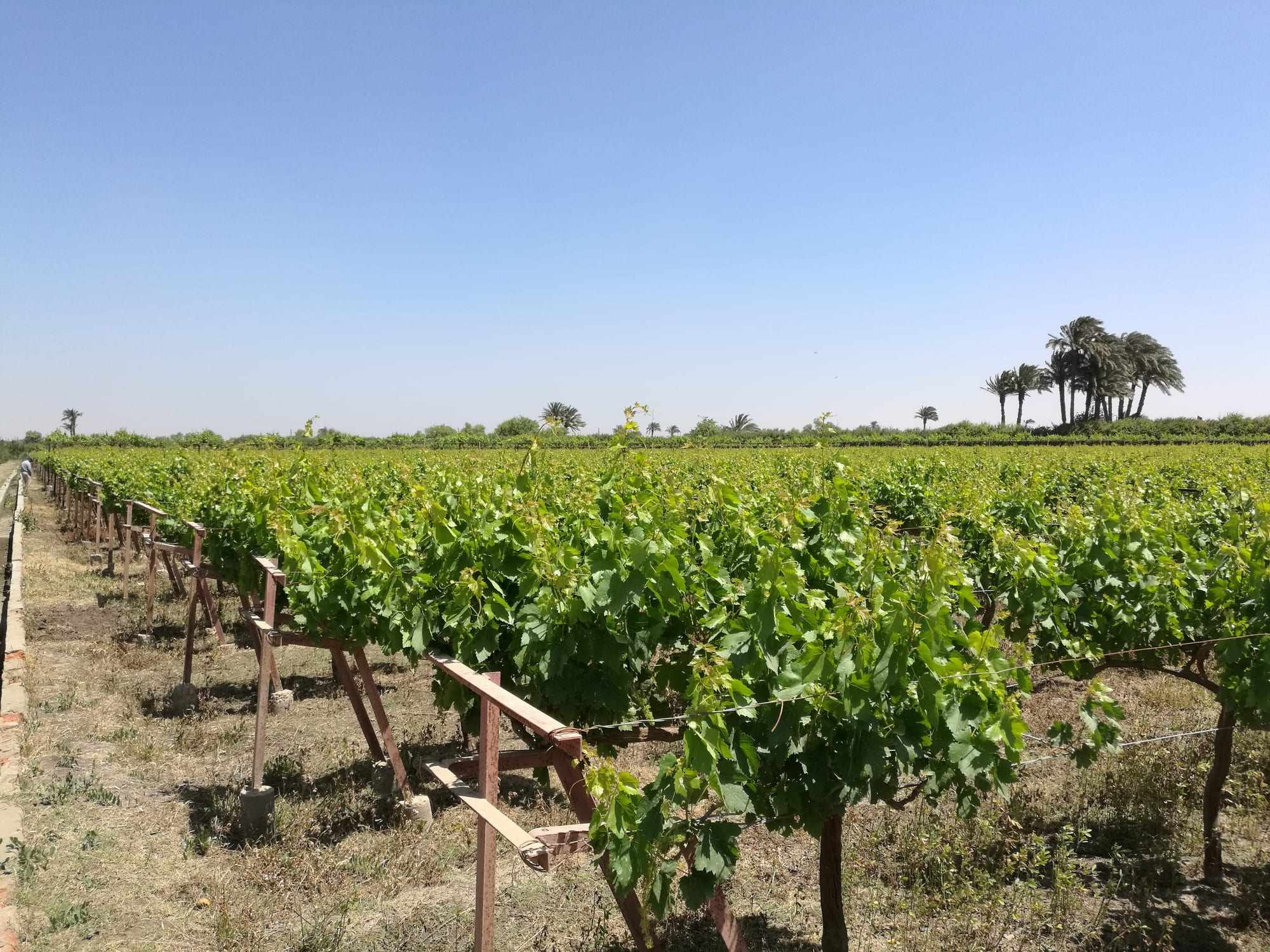
Fayoum and Beni Suef governorates, Egypt
From the 2027 season: documented, residue-tested herbs, seeds and dry crops from a managed grower group in Egypt.
First export season: 2027.
Vineyard rows, Beni Suef,
Products
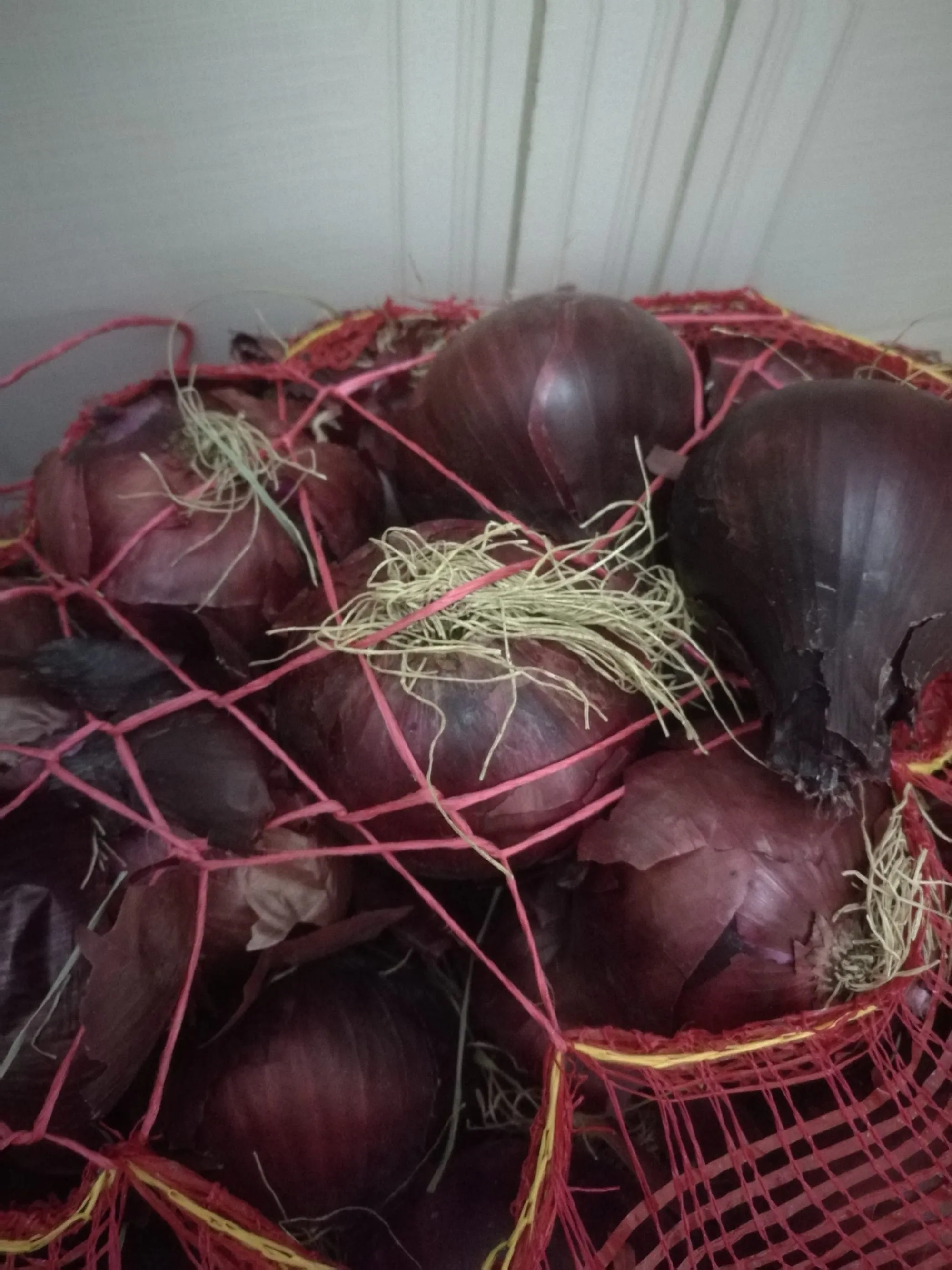
Volumes for 2027 on request
How we work
- Every grower will follow one set of rules: a list of allowed pesticides, fixed doses and a waiting period before harvest.
- An accredited laboratory will test one sample from every grower lot against EU maximum residue levels (MRLs); dried herbs and seed spices also for ethylene oxide and 2-chloroethanol, pyrrolizidine alkaloids and Salmonella; groundnuts for aflatoxins and Salmonella.
- Every shipment will come with the laboratory report, a traceability record back to grower and plot, and the specification sheet.
About Desert Bounty
Desert Bounty is a newcomer. Its first export season is 2027.
The company competes on compliance and audit discipline, not on size or price. Nothing on this website should fail a buyer's check, so it also says what is not yet in place.
Not yet in place on 20 October 2026: a contracted laboratory, a contracted processing partner, the registrations with the food-safety and plant-quarantine authorities, an outside audit of the group, and any analysed sample or lot. Farm-level records start with the 2027 season. The first laboratory report is planned for the first chamomile lot of February 2027.
Hassan Houta answers every enquiry himself, in English, German, Arabic or French, within one working day.
The system has six steps, each starting with the 2027 season: a managed grower group, one set of rules, internal checks, laboratory tests of every grower lot, sealed and numbered lots, and the documents with every shipment.
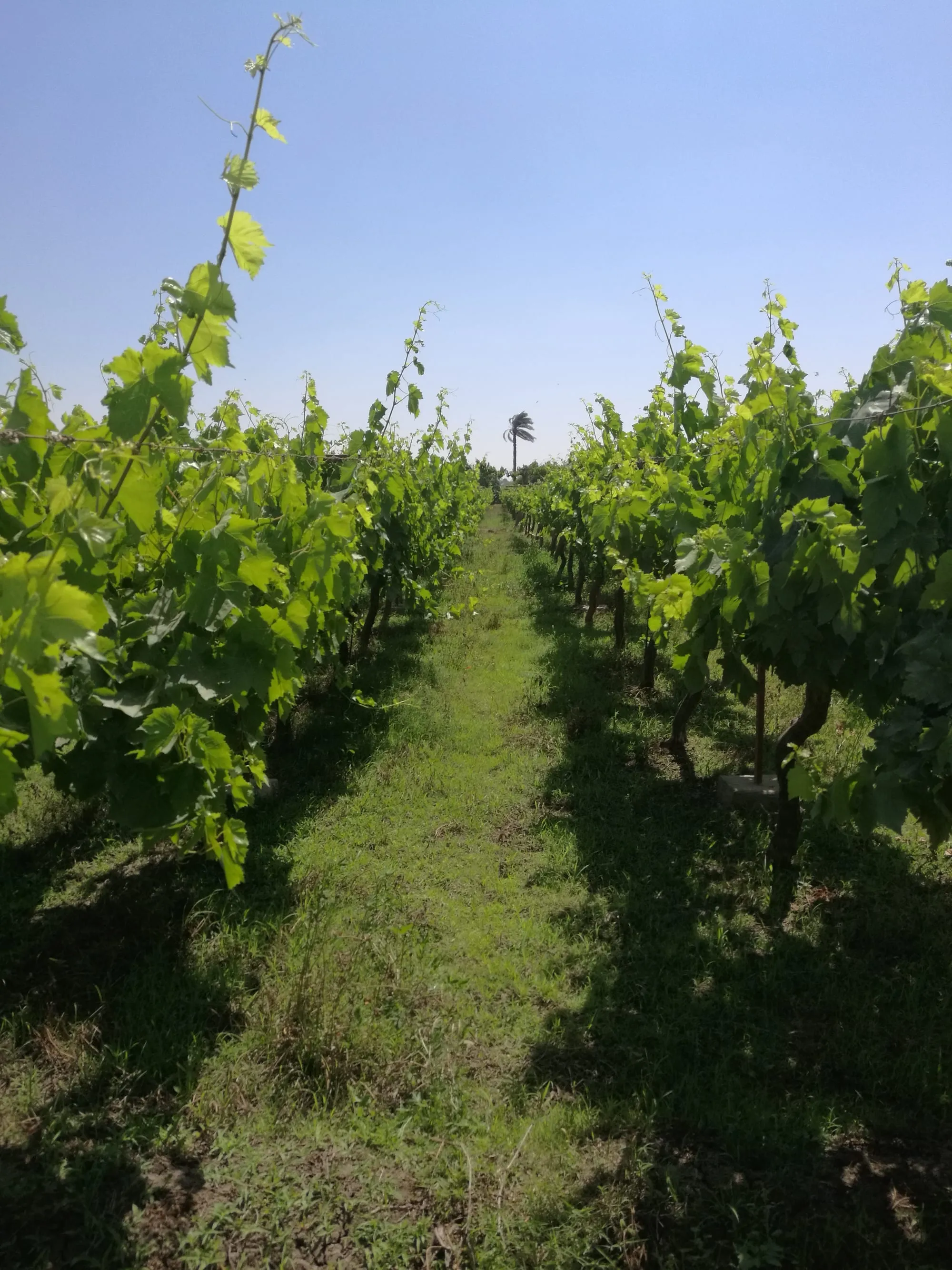
- Growing areas: Fayoum governorate first, then Beni Suef, Egypt; family producer sites in Sharqia, Qalyubia and Giza will join
- Office: 6 Boutros Ghali St., Roxy, Heliopolis, Cairo, 11757, Egypt